Macbeth's Soliloquy: She should have died hereafter (5.5)
Annotations
She should have died hereafter;
There would have been a time for such a word.
To-morrow, and to-morrow, and to-morrow,
Creeps in this petty pace from day to day
To the last syllable of recorded time,
And all our yesterdays have lighted fools
The way to dusty death. Out, out, brief candle!
Life's but a walking shadow, a poor player
That struts and frets his hour upon the stage
And then is heard no more: it is a tale
Told by an idiot, full of sound and fury,
Signifying nothing.
Continue to Soliloquy Analysis
______________
Even More
 Explanatory Notes for Lady Macbeth's Soliloquy (1.5) Explanatory Notes for Lady Macbeth's Soliloquy (1.5)
The Psychoanalysis of Lady Macbeth (Sleepwalking Scene)
Is Lady Macbeth's Swoon Real?
Explanatory Notes for the Witches' Chants (4.1)
Macbeth Plot Summary (Acts 1 and 2)
Macbeth Plot Summary (Acts 3, 4 and 5)
How to Stage a Production of Macbeth (Scene Suggestions)
A Comparison of Macbeth and Hamlet
The Effect of Lady Macbeth's Death on Macbeth
The Curse of Macbeth
On the Knocking at the Gate in Macbeth
Macbeth Q & A
Essay Topics on Macbeth
Aesthetic Examination Questions on Macbeth
What is Tragic Irony?
Stages of Plot Development in Macbeth
Time Analysis of the Action in Macbeth
Macbeth Study Quiz (with detailed answers)
Quotations from Macbeth (Full)
Top 10 Quotations from Macbeth
Shakespeare's Workmanship: Crafting a Sympathetic Macbeth
Origin of the Weird Sisters
Temptation, Sin, Retribution: Lecture Notes on Macbeth
Alchemy and Astrology in Shakespeare's Day
Characteristics of Elizabethan Tragedy
Why Shakespeare is so Important
Shakespeare's Language
Shakespeare's Influence on Other Writers
Daily Life in Shakespeare's London
Life in Stratford (structures and guilds)
Life in Stratford (trades, laws, furniture, hygiene)
Stratford School Days: What Did Shakespeare Read?
Games in Shakespeare's England [A-L]
Games in Shakespeare's England [M-Z]
An Elizabethan Christmas
Clothing in Elizabethan England
Queen Elizabeth: Shakespeare's Patron
King James I of England: Shakespeare's Patron
The Earl of Southampton: Shakespeare's Patron
Going to a Play in Elizabethan London
Ben Jonson and the Decline of the Drama
Publishing in Elizabethan England
Shakespeare's Audience
Religion in Shakespeare's England
Entertainment in Elizabethan England
London's First Public Playhouse
Shakespeare Hits the Big Time
|
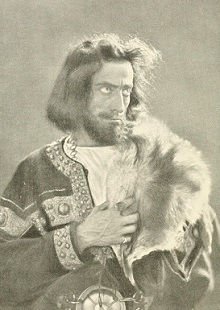
Notes on Macbeth
 "The evidence for many traits in the nature of Macbeth is confined to single passages, occasionally to brief suggestions. The imputation of avarice to the usurper in his decadence rests upon one word in one speech in the mouth of an enemy (Malcolm, in the third scene of the fourth act). The imputation of profligacy rests upon exactly the same basis. A single inconclusive speech in the fifth act is our warrant for concluding that his affection for his wife has materially declined. A single exclamation of four words "I would thou couldst!" is the sum of the evidence we possess that he repented even momentarily of any one of his murders. One speech and one only, "I dare do all that may become a man," breathes a clear note of manly rectitude." O. W. Firkins. Read on... "The evidence for many traits in the nature of Macbeth is confined to single passages, occasionally to brief suggestions. The imputation of avarice to the usurper in his decadence rests upon one word in one speech in the mouth of an enemy (Malcolm, in the third scene of the fourth act). The imputation of profligacy rests upon exactly the same basis. A single inconclusive speech in the fifth act is our warrant for concluding that his affection for his wife has materially declined. A single exclamation of four words "I would thou couldst!" is the sum of the evidence we possess that he repented even momentarily of any one of his murders. One speech and one only, "I dare do all that may become a man," breathes a clear note of manly rectitude." O. W. Firkins. Read on...
_______
|
More to Explore
Macbeth: The Complete Play with Commentary
The Theme of Macbeth
The Metre of Macbeth: Blank Verse and Rhymed Lines
Macbeth Character Introduction
Metaphors in Macbeth (Biblical)
Figures of Speech in Macbeth
The Three Apparitions in Macbeth
Supernatural Solicitings in Shakespeare
Shakespeare on Omens
Macbeth, Duncan and Shakespeare's Changes
Contemporary References to King James I in Macbeth
The Royal Patent that Changed Shakespeare's Life
Soliloquy Analysis: If it were done when 'tis done (1.7.1-29)
Soliloquy Analysis: Is this a dagger (2.1.33-61)
Soliloquy Analysis: To be thus is nothing (3.1.47-71)
Soliloquy Analysis: She should have died hereafter (5.5.17-28)
|