| directory |
| home | contact |
|
|||||||||||||||
| search | |||||||||||||||
Richard IIIPlease see the bottom of this page for full explanatory notes.
Richard III, Act 4, Scene 3 _______ Explanatory Notes for Act 4, Scene 2 From King Richard III. Ed. Brainerd Kellogg. New York: Clark & Maynard. Abbreviations. — A.-S. = Anglo-Saxon: M.E. = Middle English (from the 13th to the 15th century) ; Fr. = French ; Ger. = German ; Gr. = Greek ; Cf. = compare (Lat. confer) ; Abbott refers to the excellent Shakespearean Grammar of Dr. Abbott; Schmidt, to Dr. Schmidt's invaluable Shakespeare Lexicon. ____ 8. Touch, the touchstone used to test the genuineness or purity of any metal which has the appearance of gold. The purity of the metal is judged from the streak which it leaves upon the stone, as compared with the streak made by the touch-needle, which is of pure gold. The stone is an extremely compact siliceous schist, almost as close as flint, and is known also as Black Jasper and Basanite. 15. Consequence, something that must follow, a necessary or inevitable event. 15-16. The bitter consequence lay in the fact that Edward lived as the true, noble prince — to quote Buckingham's words with another meaning in them. 27. This is mentioned by Hall as a habit of Richard's. When he stode musing he would byte and chew besely his nether lippe, as who sayd, that his fyerce nature in hys cruell body alwaies chafed, sturred and was ever vnquiete. 28. Iron-witted, unfeeling, insensible. 30. Considerate, thoughtful, observant, the opposite of unrespective. 35. Close, secret. 42. Witty, quick-witted, clever. 55. The boy is foolish. Edward, son of Clarence, was imprisoned by Richard III in Sheriff Button Castle. Was removed by Henry VII to the Tower. Beheaded in 1499. Imprisonment and lack of education made him idiotic. But he was not yet foolish. 68. About it; for it is very important for me. 64. Pluck on, draw on. 73. Deal upon, act with. 79. No more out so, that is, to carry out Richard's whispered instructions. 98. Peevish, silly, thoughtless. 104. Richard visited Exeter in the first year of his reign. This incident is mentioned by Hollnshed. "And during his abode here he went about the citie and viewed the seal of the same, and at length he came to the castell: and when he vnderstood that it was called Rugemont, suddenlie he fell into a dumpe and (as one astonied) said: Well, I see my dales be not long. He spake this of a prophesie told him, that when he came once to Richmond, he should not live long after." 114. Jack, the figure which struck the hour upon the bell in old clocks. Keep'st the stroke, keepest on striking. 117. Resolve, answer. How to cite the explanatory notes: ______ Related Articles  Richard III: Plot Summary Richard III: Q & A Famous Quotes from Richard III Shakespeare's Sources for Richard III Why Shakespeare is so Important Shakespeare's Language Shakespeare's Boss: The Master of Revels Richard III: Plot Summary Richard III: Q & A Famous Quotes from Richard III Shakespeare's Sources for Richard III Why Shakespeare is so Important Shakespeare's Language Shakespeare's Boss: The Master of Revels |
| ||||||||||||||||||||||||||||||||||||||||||||||||||||||||||||||||||||||||||||||||||||||||||||||||||||||||||||||||||||||||||||||||||||||||||||||||||||||||||||||||||||||||||||||||||||||||||||||||||||||||||||||||||||||||||||||||||||||||||||||||||||||||||||||||||||||||||||||||||||||||||||||||||||||||||||||||||||||||||
 "[Richard III] is distinguished by the extraordinary divergence of the text of the Quarto of 1597 from that of the
 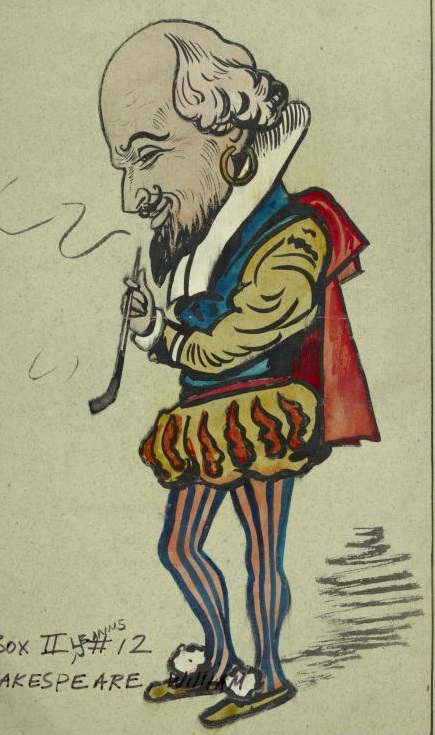 Richard Shakespeare, Shakespeare's paternal grandfather, was a farmer in the small village of Snitterfield, located four miles from Stratford. Records show that Richard worked on several different farms which he leased from various landowners. Coincidentally, Richard leased land from Robert Arden, Shakespeare's maternal grandfather.
 ©1999-2021 Shakespeare Online. All Rights Reserved.